Macular Degeneration FAQs: Understanding and Managing Vision Changes with Eye Care Near You in Gulfport, MS
At Benefield Eye Care, your eye doctor in Gulfport, MS, we liken the macula to the spotlight on a stage—it’s the part of the retina that helps you see fine details in the center of your vision. When macular degeneration takes hold, it’s as if the spotlight begins to flicker, dimming your central vision and making it harder to focus on what matters. While this condition can be daunting, understanding it and knowing how to manage it can help preserve your quality of life.
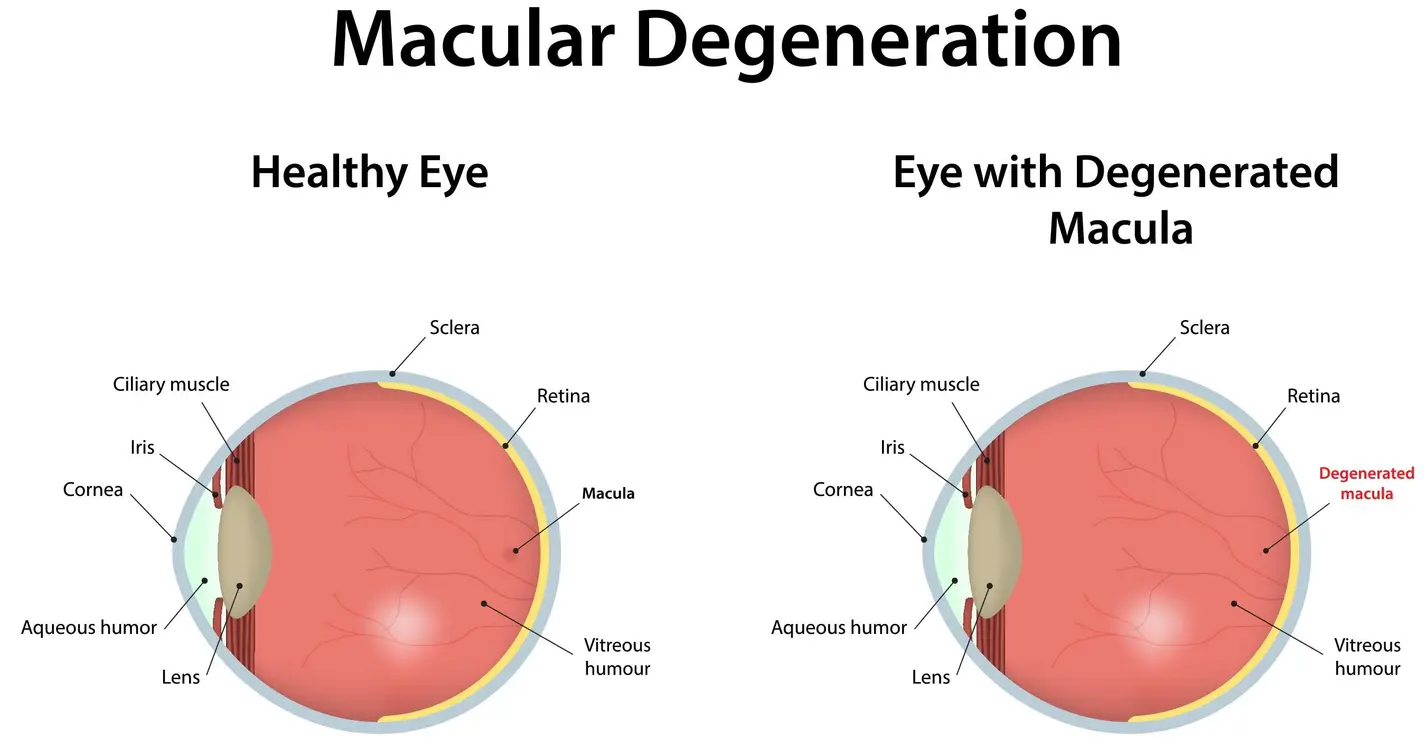
What Is Macular Degeneration?
Macular degeneration is a condition that affects the macula, the part of the retina responsible for sharp, central vision. It’s often compared to a smudge on a camera lens—you can still see, but the details are blurred or distorted. There are two main types:
● Dry macular degeneration – This type is more common and develops slowly as the macula’s cells break down. It’s like wearing a pair of glasses with a slow-developing fog.
● Wet macular degeneration – Though less common, this type is more serious and occurs when abnormal blood vessels grow under the retina, leaking fluid and causing rapid damage. It’s like a crack in the lens that spreads quickly, affecting vision.
Who Is at Risk for Macular Degeneration?
While anyone can develop macular degeneration, some factors increase the risk, much like adding more weight to an already heavy load. These include:
● Age – It’s more common in those over 60, with the risk increasing as you age.
● Genetics – A family history of the condition increases your likelihood of developing it.
● Smoking – Smoking is a major risk factor, like tossing sand into the gears of a well-oiled machine.
● Diet and lifestyle – Poor nutrition and lack of exercise can contribute to the condition.
What Are the Symptoms of Macular Degeneration?
The symptoms often start gradually, like turning down the volume on your favorite song without realizing it. You may notice:
● Blurred or distorted central vision
● Difficulty seeing in low light
● Straight lines appearing wavy or distorted
● A dark or empty area in the center of your vision
In the early stages, macular degeneration can be subtle, but as the condition progresses, the loss of central vision can become more pronounced.
What Treatments Are Available for Macular Degeneration?
While there is no cure for macular degeneration, treatments can help slow its progression and manage symptoms:
● For dry macular degeneration – Nutritional supplements and lifestyle changes can slow the progression, like putting fresh oil in a car engine.
● For wet macular degeneration – Injections of medications into the eye can stop abnormal blood vessels from growing and leaking.
How Can You Prevent or Slow the Progression of Macular Degeneration?
There’s no guaranteed way to prevent macular degeneration, but you can take steps to protect your vision:
● Eat a healthy diet – Foods rich in antioxidants, like leafy greens, can support eye health.
● Quit smoking – Giving up smoking can significantly lower your risk.
● Wear sunglasses – Protecting your eyes from UV rays helps reduce damage to the retina.
● Regular eye exams – Early detection is key to managing macular degeneration effectively.
Get Eye Care from an Ophthalmologist, Nurse Practitioner, and Optometrist Near You
At Benefield Eye Care, your eye doctor in Gulfport, MS, we believe that knowledge is power. Understanding macular degeneration and how to manage it helps you keep the spotlight shining brightly on your world. If you’re concerned about your vision, schedule an appointment today to learn more about protecting your eye health. Call us at (228) 328-0972 for eye care from an ophthalmologist, nurse practitioner, and optometrist near you.